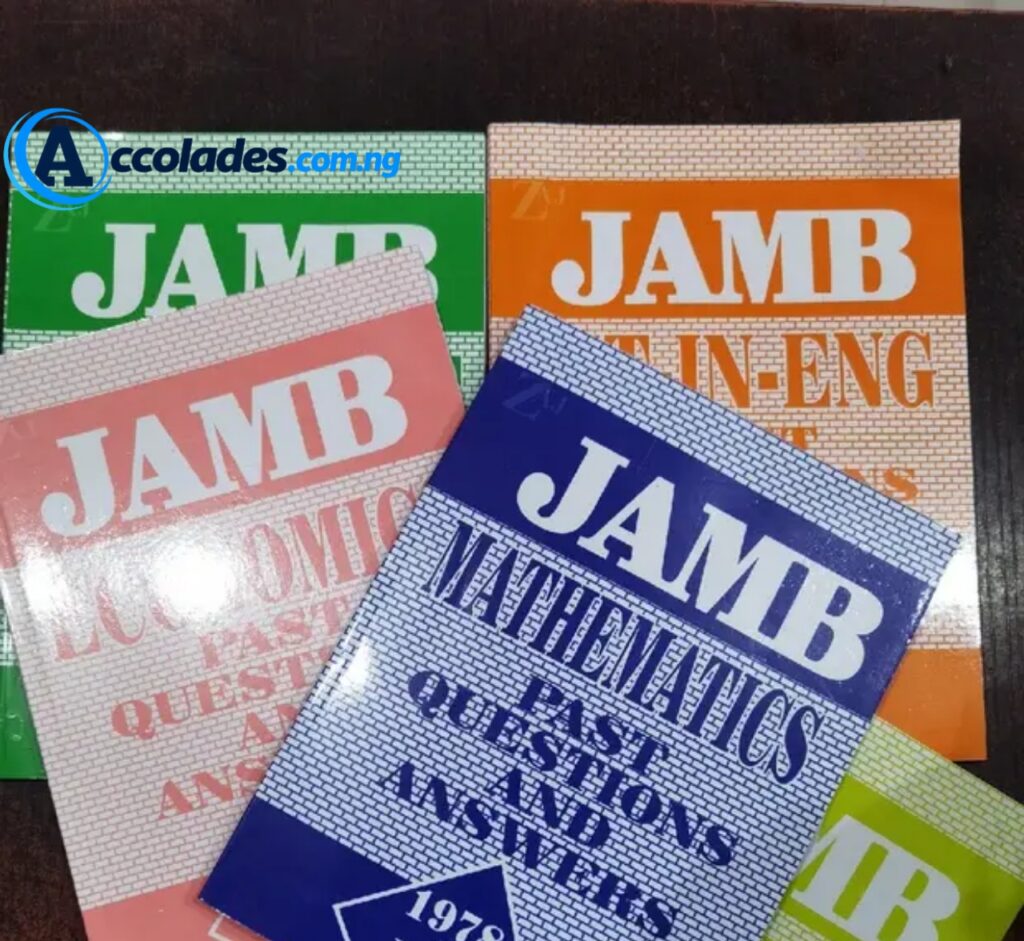
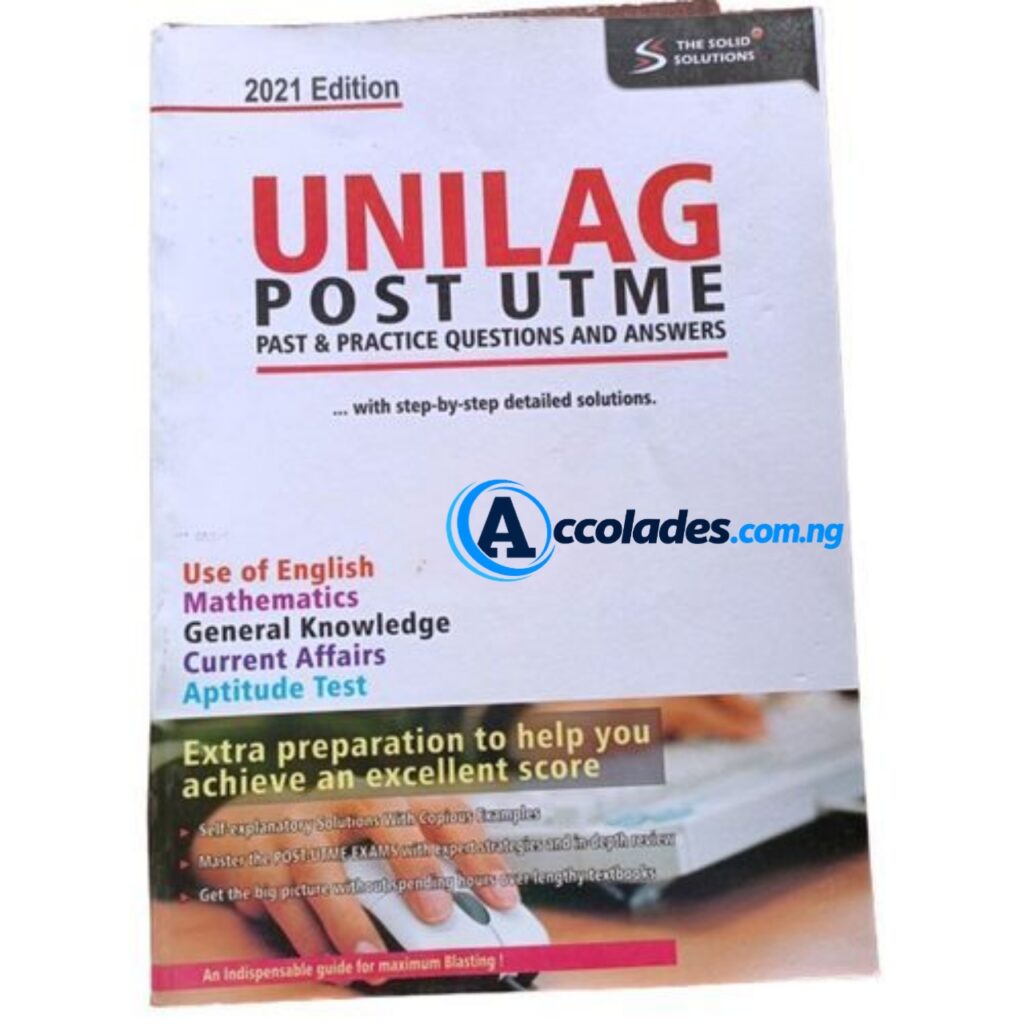
If you picked Obafemi Awolowo University as your first choice, you already know one thing: scoring well in UTME is only half the battle. The screening that follows decides who actually gets a place in Ile-Ife. That is why so many candidates search for OAU post JAMB past questions every year, and why the ones who practise early usually sleep better the night before.
🚀 Download OAU Past Questions Now
This guide breaks down how OAU screening works, how past questions should be used (most people use them wrongly), and how to get a clean, updated copy without wasting weeks hunting for it.
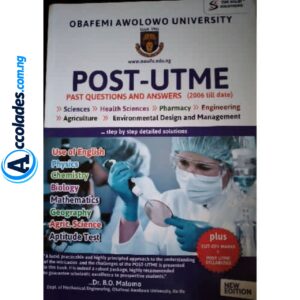
First, a quick note on the name “Post JAMB”
Most candidates say “post JAMB”, but the official term is Post-UTME. They are the same thing: the screening exercise you take after your UTME result is out. If you ever search for materials under “OAU post UTME past questions”, you are looking for exactly what this article covers.
How OAU screening usually works
The university sets its own rules each session, so always confirm details on the official OAU website before you pay for or submit anything. In general, though, candidates can expect these things:
- Eligibility: OAU must be your first choice in UTME, and you must reach the university’s minimum UTME score for that session. For the 2026/2027 cycle, the published minimum was 200.
- Registration: done online through the school portal, with your UTME details, O’Level information and passport photograph.
- Screening exercise: an in-person exercise at the campus, usually computer-based, where your identity and documents are also checked.
- Final ranking: your UTME score and screening performance are combined, and your course cut-off decides the rest.
Dates have shifted in past sessions, so treat any date you see on social media as a rumour until you see it on the school portal or on JAMB’s official site.
Why OAU post JAMB past questions matter so much
Past questions will not hand you the exact questions that appear next year, and anyone promising that is selling a fantasy. What they do give you is something more useful: a feel for how this particular university tests.
OAU tends to repeat topics, question styles and even the logic behind its options. After working through a few years of papers, you begin to notice what the examiners care about. You stop panicking at unfamiliar wording because you have already seen its cousins ten times.
They also fix a problem every candidate has: speed. Knowing the answer is useless if you spend four minutes on a question that should take forty seconds.
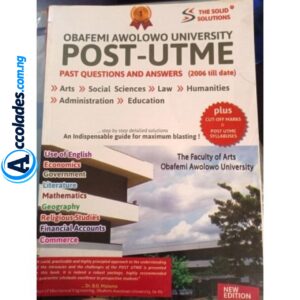
What a good set of OAU post UTME past questions should contain
Not every PDF circulating on WhatsApp groups is worth your data. Before you settle for one, check that it has:
- Several years of papers, not just one or two sessions, so patterns become visible.
- Answers that are actually checked. Wrong answers in a past question booklet are worse than having none, because you memorise mistakes.
- Your subject combination. A Medicine candidate and a Law candidate do not need identical practice, so make sure your subjects are covered, along with Use of English.
- Clear formatting. Blurry scans and missing pages waste your time.
If you want to start with a reliable source, you can browse the study materials on Accolades.com.ng, or get the OAU pack directly below.
How to use past questions the smart way
This is where most candidates lose marks. They read the questions and answers like a novel, nod along, and feel prepared. Then exam day arrives and nothing sticks. Try this approach instead.
Week one: test yourself cold
Attempt one full paper under timed conditions without looking at any notes. The score does not matter yet. You are just discovering where you stand.
Week two: study your mistakes
For every question you got wrong, write down why. Was it a knowledge gap, a careless slip, or a time problem? Each one needs a different fix. Knowledge gaps mean going back to your textbook. Careless slips mean slowing down on reading the question. Time problems mean more timed practice.
Week three onward: repeat and tighten
Take a fresh paper every two or three days, always timed. Keep a small notebook of formulas, definitions and tricky concepts that keep showing up. That notebook becomes your final-week revision, and it is far more useful than re-reading everything.
The last three days
Stop learning new topics. Revise your notebook, sleep properly, and sort out your documents and transport. Many people lose focus at the finish line because they neglected these simple things.

Common mistakes to avoid
- Relying on one year of questions. Examiners change emphasis, so a single paper gives you a narrow picture.
- Memorising answers without understanding them. If the question is reworded, you are stuck.
- Ignoring Use of English. It is often treated as the easy subject, and that is exactly why people drop silly marks there.
- Practising only on your phone in a noisy room. Simulate the real thing: quiet space, timer on, no distractions.
- Trusting every “leaked questions” claim. There is no shortcut that replaces preparation, and these claims are a common way candidates lose money.
Frequently asked questions
Are OAU post JAMB past questions enough to pass screening?
They are a major part of preparation, but not all of it. Pair them with your textbooks, your syllabus and regular timed practice for the best results.
Which subjects should I practise?
Use of English plus the subjects required for your chosen course. Check your course requirements on the school portal so you do not practise the wrong combination.
When should I start practising?
Right after your UTME if you can. Starting early turns screening into a calm routine instead of a last-minute scramble. If you are preparing for a future session, you can also read our other exam preparation guides on Accolades.com.ng to build good habits now.
Do the questions come in PDF?
Yes, a digital copy is the easiest to carry around, print or study on your phone.
Ready to start practising?
Preparation is rarely glamorous. It is a few focused hours a day, a notebook of mistakes, and the discipline to take another timed paper when you would rather rest. Candidates who do this consistently walk into the screening hall calm and sharp.
If you want the OAU post UTME past questions and answers in one organised pack, send us a message and we will respond as soon as possible.
🚀 Get Your OAU Past Questions Now
Disclaimer: Screening requirements, dates and cut-off marks are set by the university and can change. Always confirm the latest details on the official OAU and JAMB websites.