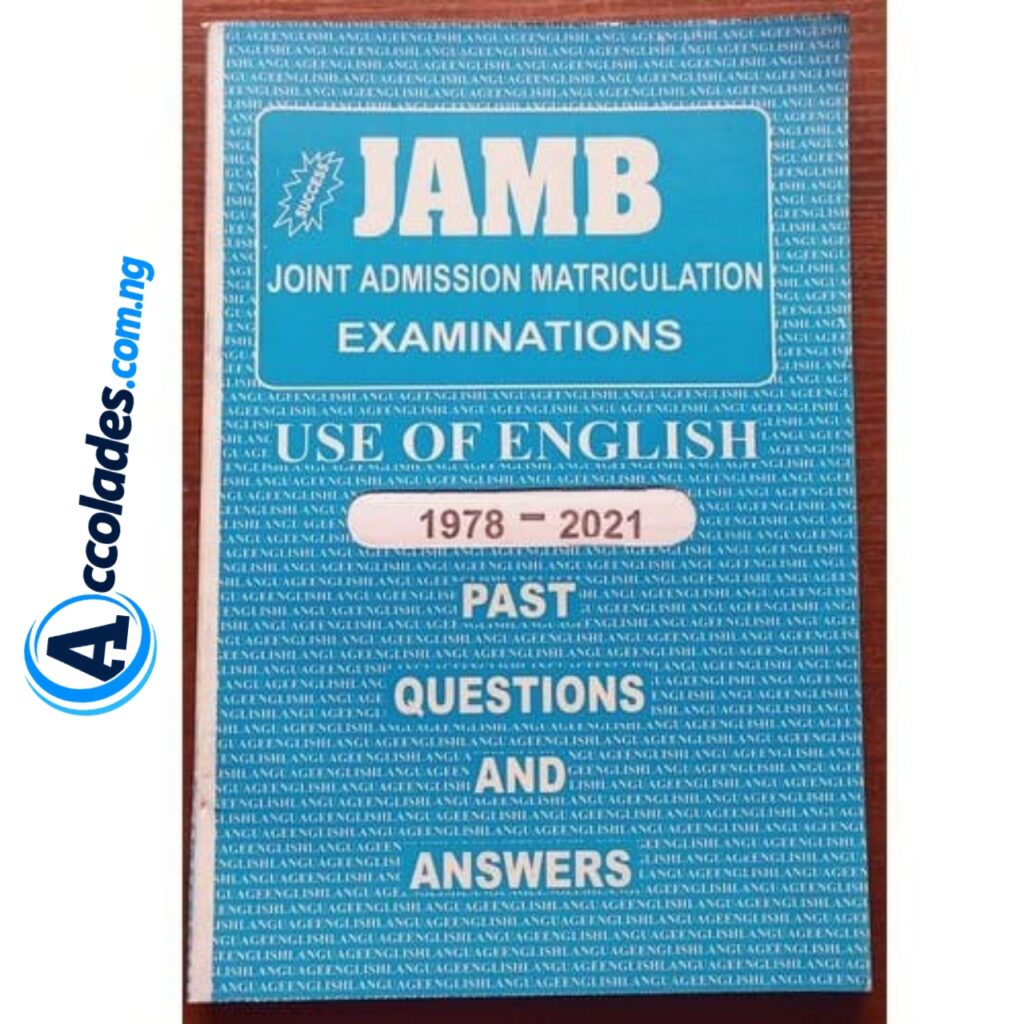
While preparing for UTME, you have probably heard the same advice from everyone: “Go and practise past questions.” It sounds simple, but the real question is which past questions, and how to use them. This article on JAMB past questions and answers 2020 answers both, so you stop guessing and start studying with purpose.
Why the 2020 JAMB Past Questions Still Matter
Some candidates assume that questions from a few years back are outdated. That is a mistake. JAMB does not write a brand-new exam from scratch every year. It draws from the same syllabus, tests the same concepts, and often rephrases or reshuffles older questions. The 2020 paper is especially useful because it reflects the style JAMB has stayed close to ever since: straightforward objective questions, a heavy focus on application, and a few tricky options designed to punish careless reading.
When you work through the 2020 paper, you are not just memorising answers. You are learning how JAMB thinks.

How the 2020 UTME Was Structured
Before you open any question paper, understand the format you will face on exam day:
- Four subjects per candidate, with Use of English compulsory for everyone.
- 180 questions in total: 60 in Use of English and 40 in each of the other three subjects.
- A maximum score of 400, which means each subject carries a possible 100 marks.
- Computer-Based Testing (CBT), so you answer on a screen rather than with pen and paper.
This matters because practising on paper alone leaves a gap. The time pressure on a screen feels different, and the 2020 questions are a great way to rehearse that feeling at home.
What You Get From a Good 2020 Past Questions Pack
Not every document labelled “2020 questions” is worth your data. A proper pack should include the following:
- The full question set for your subject combination, not random pages.
- Correct answers that match the official marking, ideally with short explanations for calculation-based subjects like Physics, Chemistry and Mathematics.
- A clean layout you can read comfortably on a phone, because most students study on mobile.
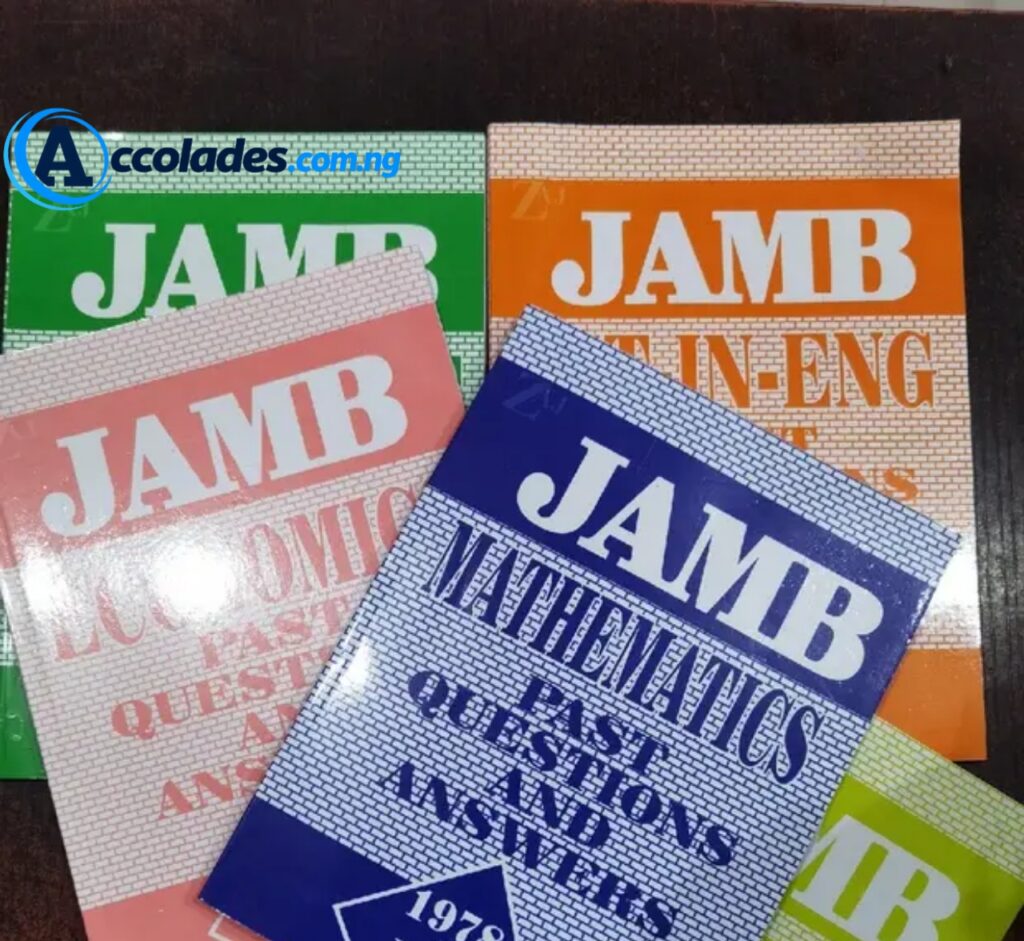
- Subject variety, covering English, Mathematics, the sciences, Government, Economics, Literature, CRK/IRK and more.
If a pack is missing answers, it is only half useful. Without answers, you cannot mark yourself, and without marking yourself, you cannot see your weak spots.
Tap the button and send us a message to get your copy.
A Practical Way to Study With the 2020 Questions
Here is a routine that works far better than simply reading through answers.
Step 1: Do one subject at a time, timed
Pick a subject and give yourself the real time allowance. For a 40-question subject, that is under a minute per question. Do not pause, do not check the answers, and do not open your textbook.
Step 2: Mark honestly
Count your score and, more importantly, note why you missed each question. Was it a topic you never understood? A silly calculation slip? Running out of time? These are three different problems and each needs a different fix.
Step 3: Build a “mistake notebook”
Write down every question you got wrong, along with the correct reasoning. Before exam week, this small notebook becomes your most valuable revision material because it contains only the things you struggle with.
Step 4: Repeat after a week
Go back to the same paper after seven days. If your score jumps, your revision is working. If it does not, you know the topic needs fresh attention.
Subject-by-Subject Tips From the 2020 Paper
Use of English: Expect comprehension passages, lexis and structure, oral forms, and questions on the prescribed text. Many candidates lose marks here by reading passages too slowly. Read the questions first, then scan the passage for answers.
Mathematics: The 2020 questions lean on algebra, indices and logarithms, mensuration, sequences and basic statistics. Practise showing short working. If you cannot solve a question in about a minute, skip it and return later.
Physics and Chemistry: Pay attention to units, formulae and definitions. A good number of questions simply test whether you remember a law or a relationship, so quick recall is everything.
Biology: Diagrams, classification and ecology appear again and again. Look at how the options are worded, because JAMB likes similar-sounding choices.
Arts and Social Science subjects: For Government, Economics and Literature, themes repeat across the years. Seeing the 2020 version helps you spot what examiners consider important.
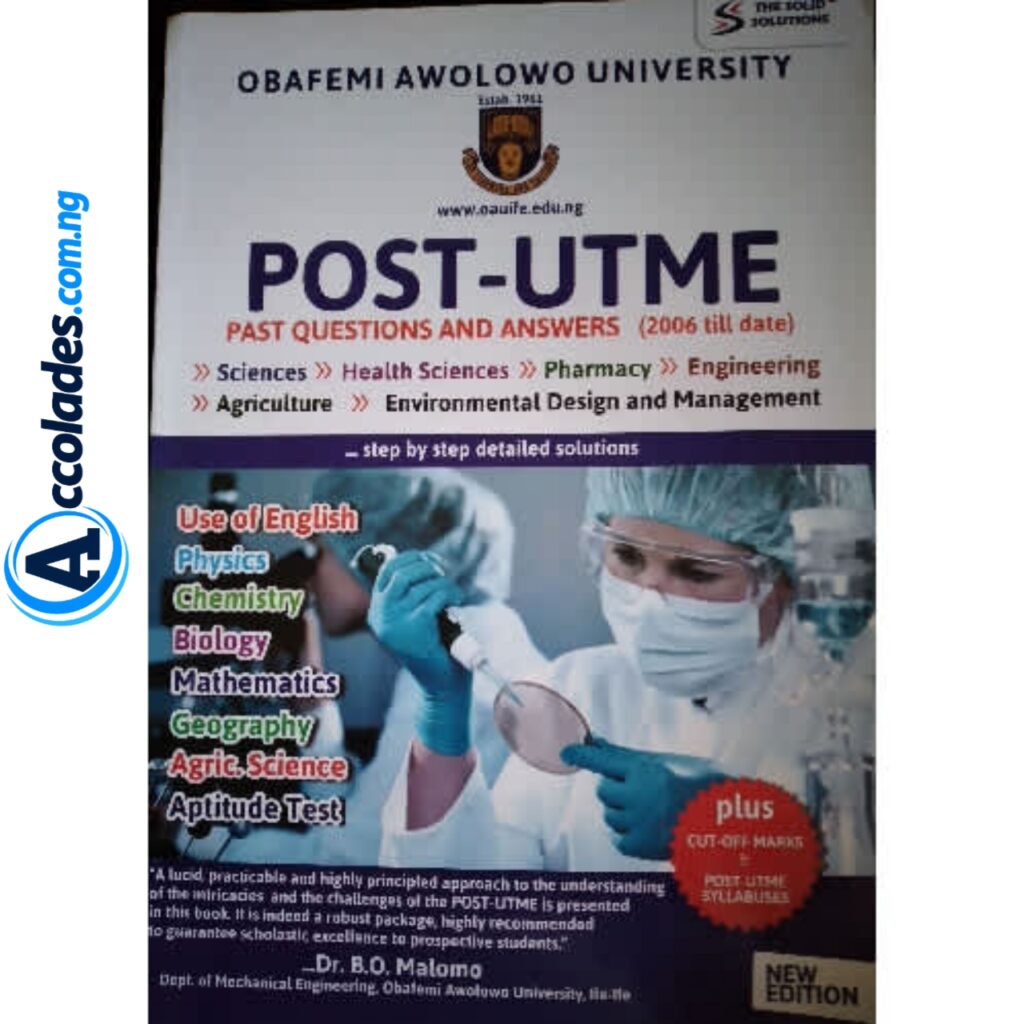
If you are working on Mathematics specifically, you can also read our guide on JAMB past questions for Mathematics for extra topic breakdowns. Science students may find our Physics JAMB past questions and answers PDF useful too, and if you are eyeing a particular school, check our post on OAU post-UTME past questions to prepare for the next stage.
Common Mistakes Candidates Make With Past Questions
- Memorising answers instead of understanding them. JAMB changes numbers and wording, so memorised options will fail you.
- Ignoring the syllabus. Past questions show patterns, but the official syllabus tells you what is actually examinable. You can download it from the official JAMB website.
- Skipping CBT practice. Get used to selecting options on a screen so exam-day nerves do not slow you down.
- Relying on unverified sources. Cross-check any questions you find online against reputable material, and confirm registration or exam details on the JAMB e-facility portal.
Frequently Asked Questions
Are JAMB past questions and answers 2020 still useful for the current UTME?
Yes. The syllabus and question style have remained largely consistent, so the 2020 paper is excellent practice material. Pair it with other years for the best results.
Do the 2020 questions come with answers?
A complete pack should. Our version includes answers so you can mark yourself immediately and track your progress.
Can I study the PDF on my phone?
Absolutely. The PDF format works on any smartphone, and you can study offline once you have downloaded it.
How many past papers should I finish before my exam?
Aim to cover at least five years of past questions per subject. Start with 2020 if you want a solid, recent benchmark.
Get Your JAMB Past Questions and Answers 2020 Today
Studying smart beats studying long. With the right past questions, honest marking and a simple revision routine, you can raise your score a lot faster than you expect. Don’t leave your UTME result to luck. Grab your copy now and start practising while you still have time on your side.
Need a different year or subject? Message us on WhatsApp and tell us what you are preparing for. We will point you in the right direction.
Ready to start practising?